Subako Hackathon Report (September 14, 2026)
We launched Subako.ai on September 10, 2026, and to mark the launch we held a hackathon on September 14 at Plug and Play in Shibuya, Tokyo. This post is a report from the day.
About Subako
In one line: Subako is a managed runtime for AI agents.
An AI agent is a program that talks with users and other systems and calls tools through an LLM to carry out a task on its own. The parts that are easy to picture are the LLM doing the work and the tools it reaches for. Getting an agent into a product that customers can actually use is another matter. Specifically:
- Running the harness: standing up the environment the agent runs in, and managing the LLM calls, the tool execution, and the rest.
- Session management: keeping a record of what the agent and the user said to each other.
- Authentication and authorization: managing what an agent is allowed to reach when it touches a user's data.
- Sandboxing: running the code an agent generates without putting anything at risk.
- Skills management: defining and managing the instructions you give an agent as Skills.
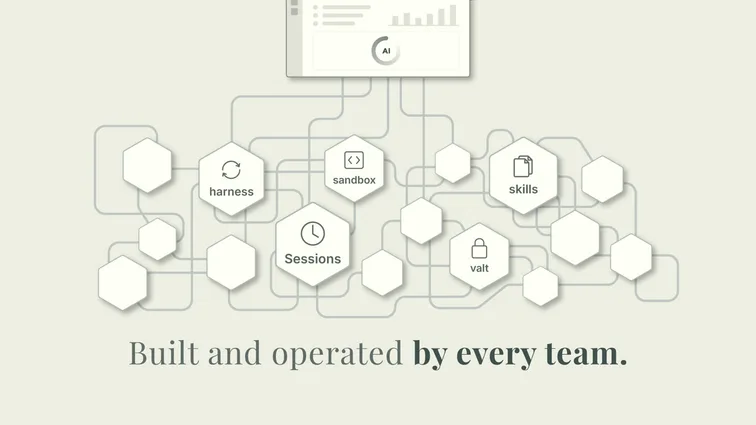
Anyone offering an AI agent as part of a product runs into all of this. Today teams are each building their own answer to it, reinventing the same wheel. Subako provides what you need to build and operate an AI agent as a managed service.
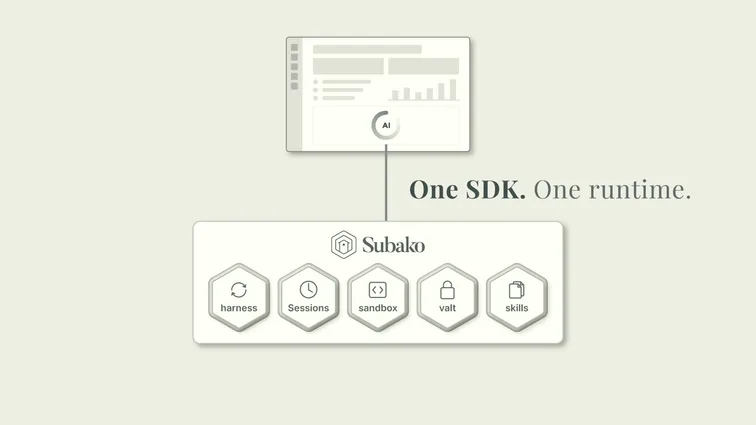
With the pieces an agent needs packaged up, developers can concentrate on where the real value of an AI agent is: the experience of the application, the design of its tools, the design of its Skills.
About the hackathon
We held this hackathon to mark Subako's launch, so that people could get a feel for what it does and what it is like to use. Participants built applications with the Subako SDK, turning a range of ideas into something that ran.
| Details | |
|---|---|
| Date | Monday, September 14, 2026 |
| Time | 15:00 to 19:30 JST |
| Venue | Plug and Play Japan, Shibuya, Tokyo |
| Fee | Free |
| Host | Kikuvi Inc. |
The slides we used are published here.
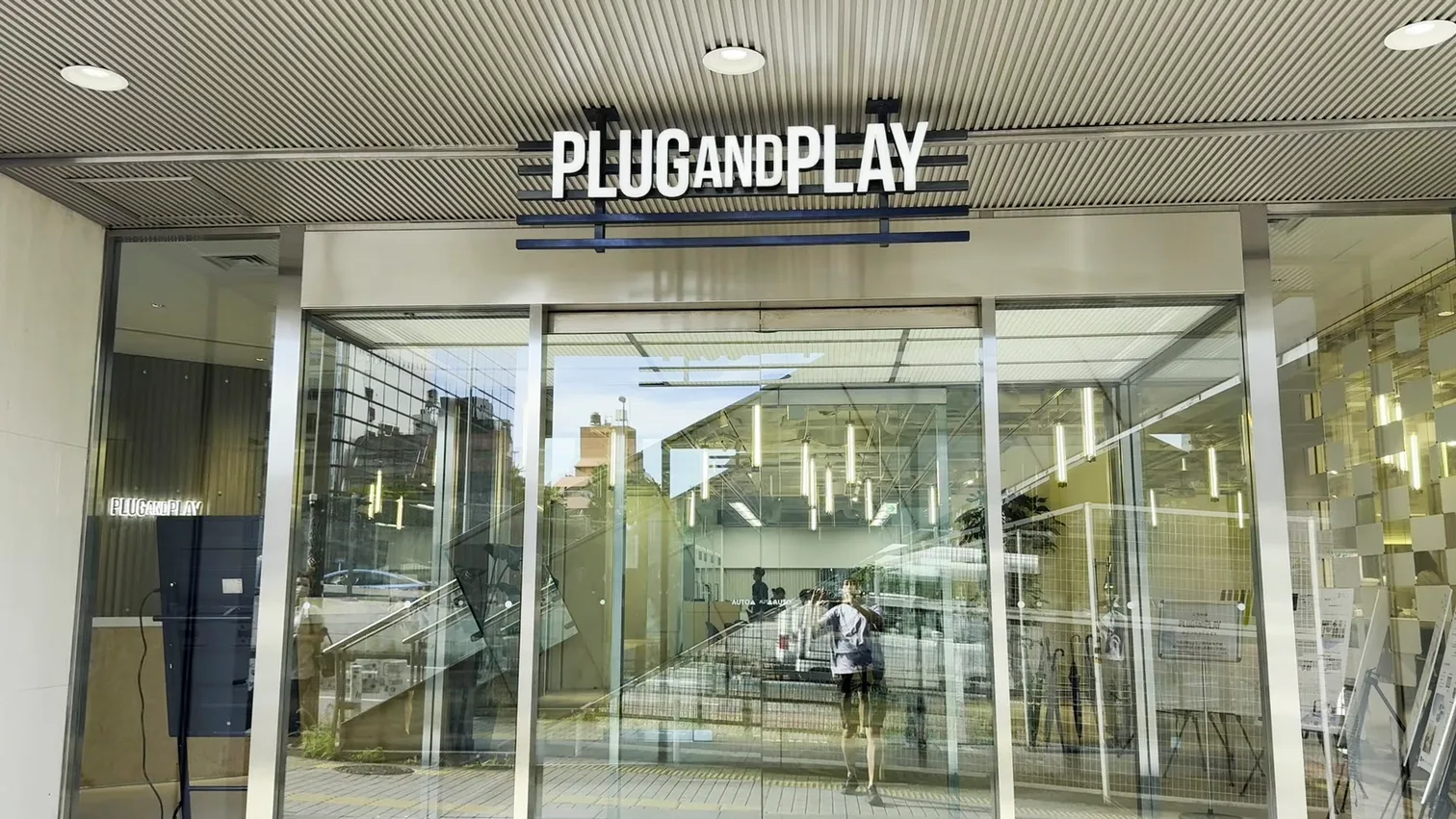
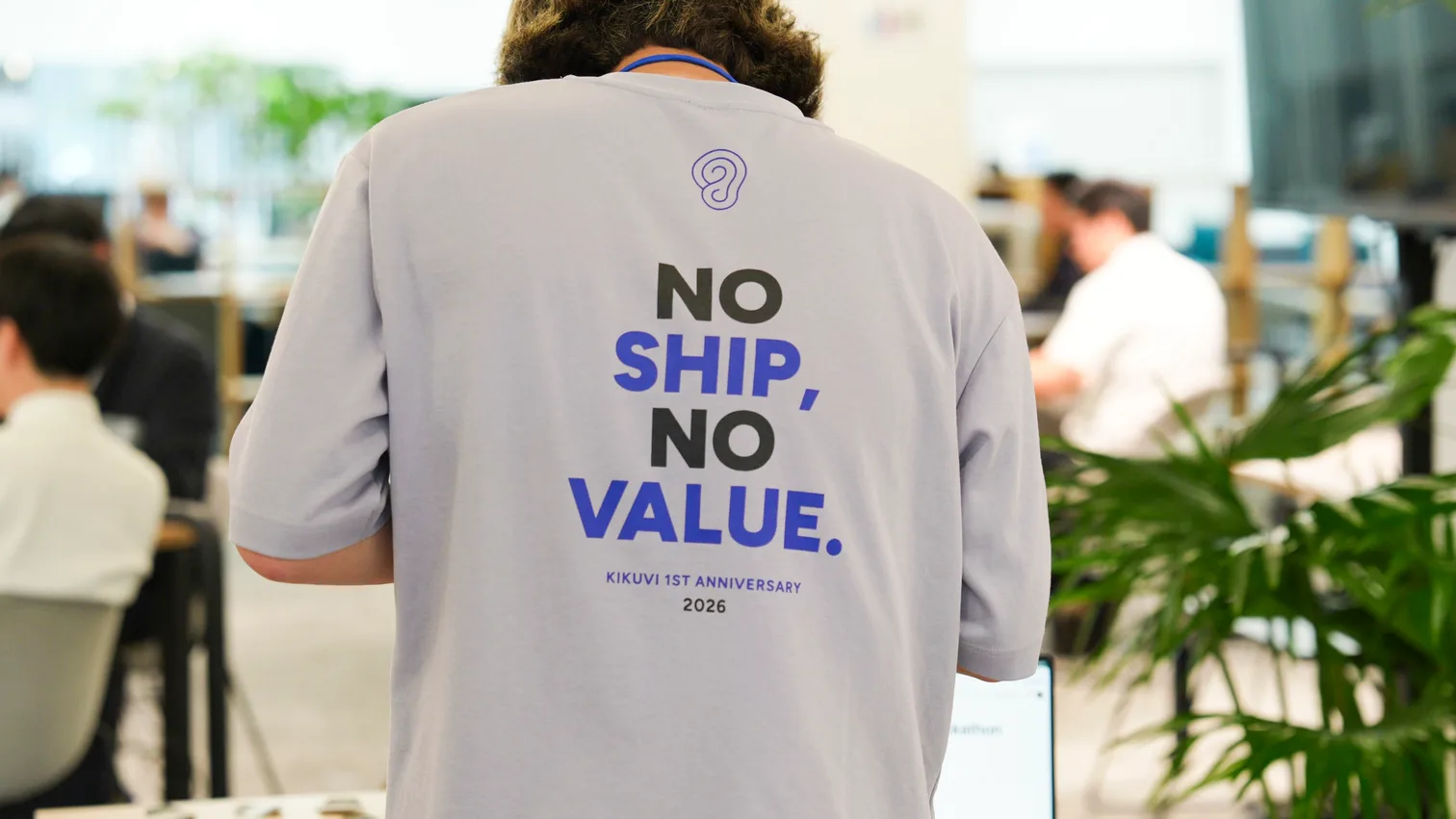
Even at three in the afternoon on a weekday, around fifteen people joined us.
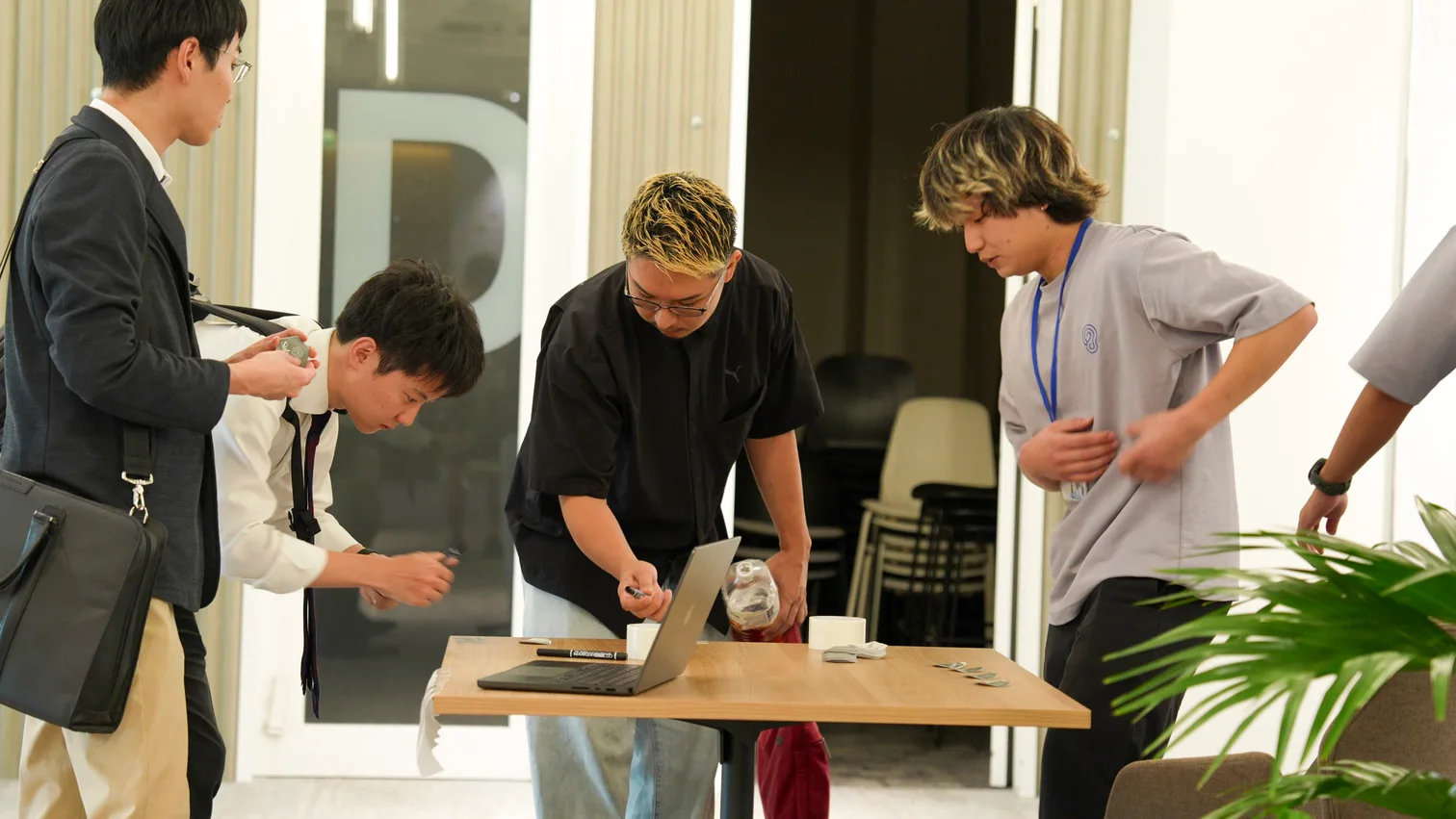
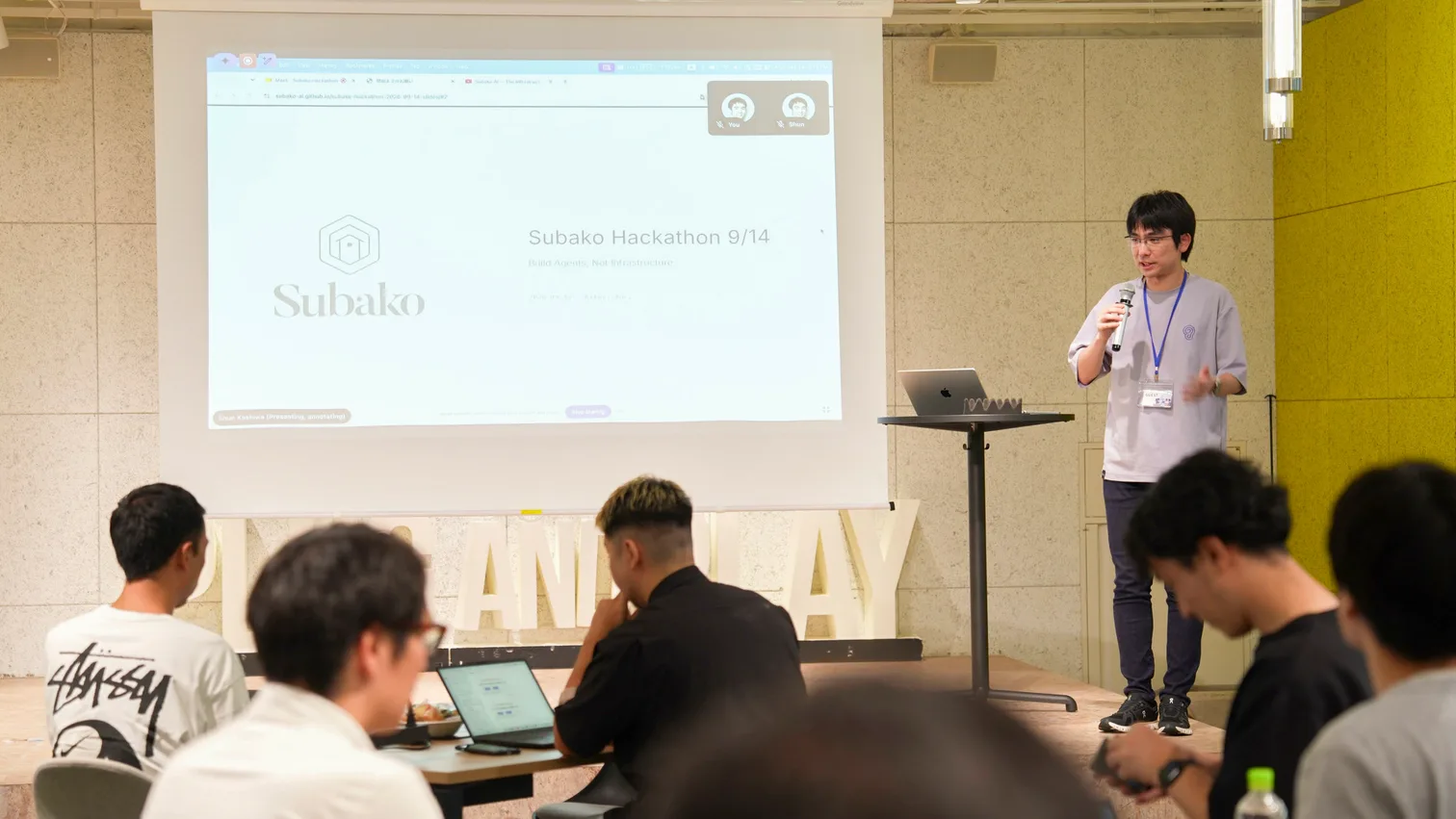
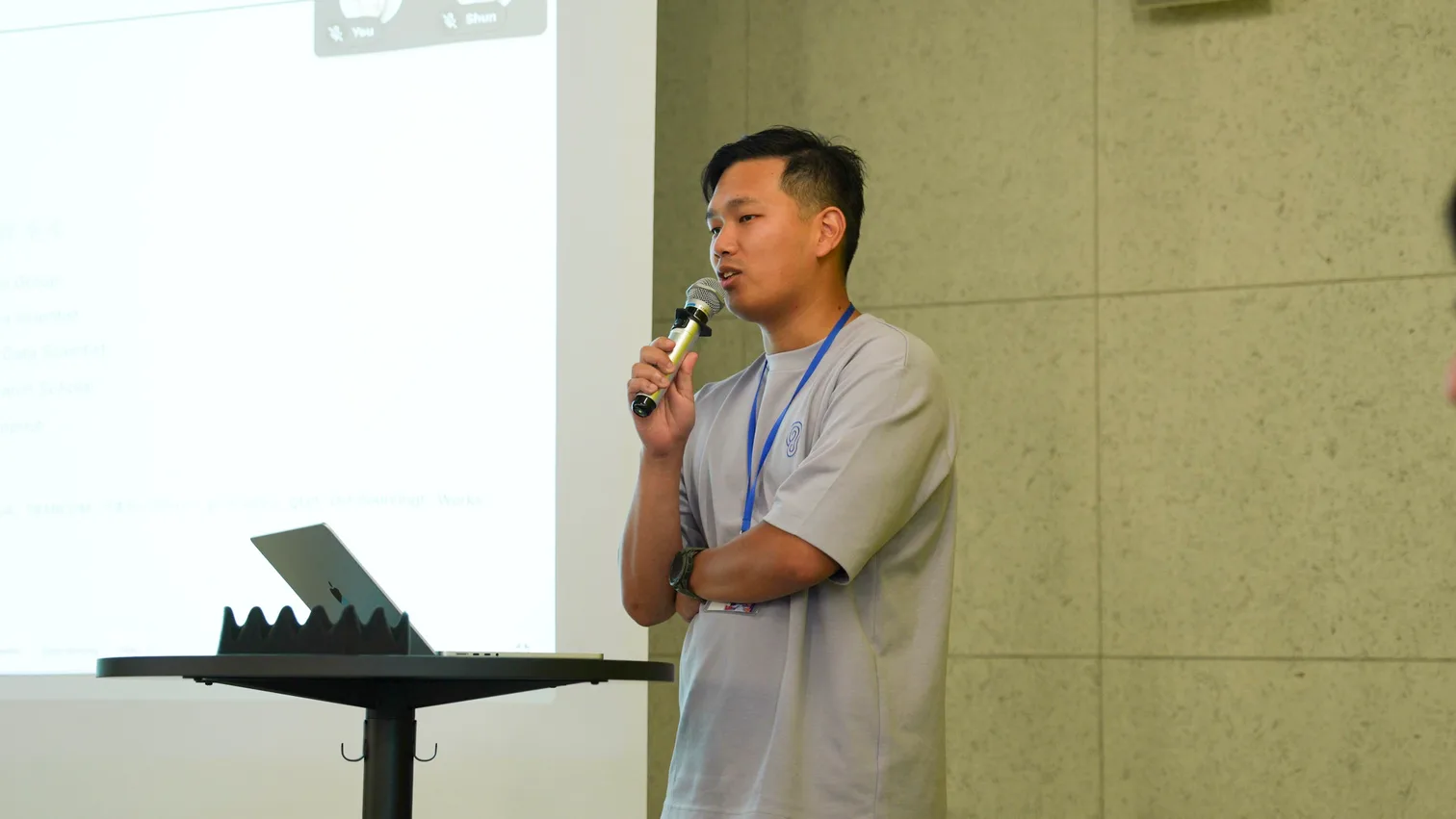
We opened with a short overview of Subako from me, then a hands-on walkthrough of a demo application so that everyone could try the features for themselves.
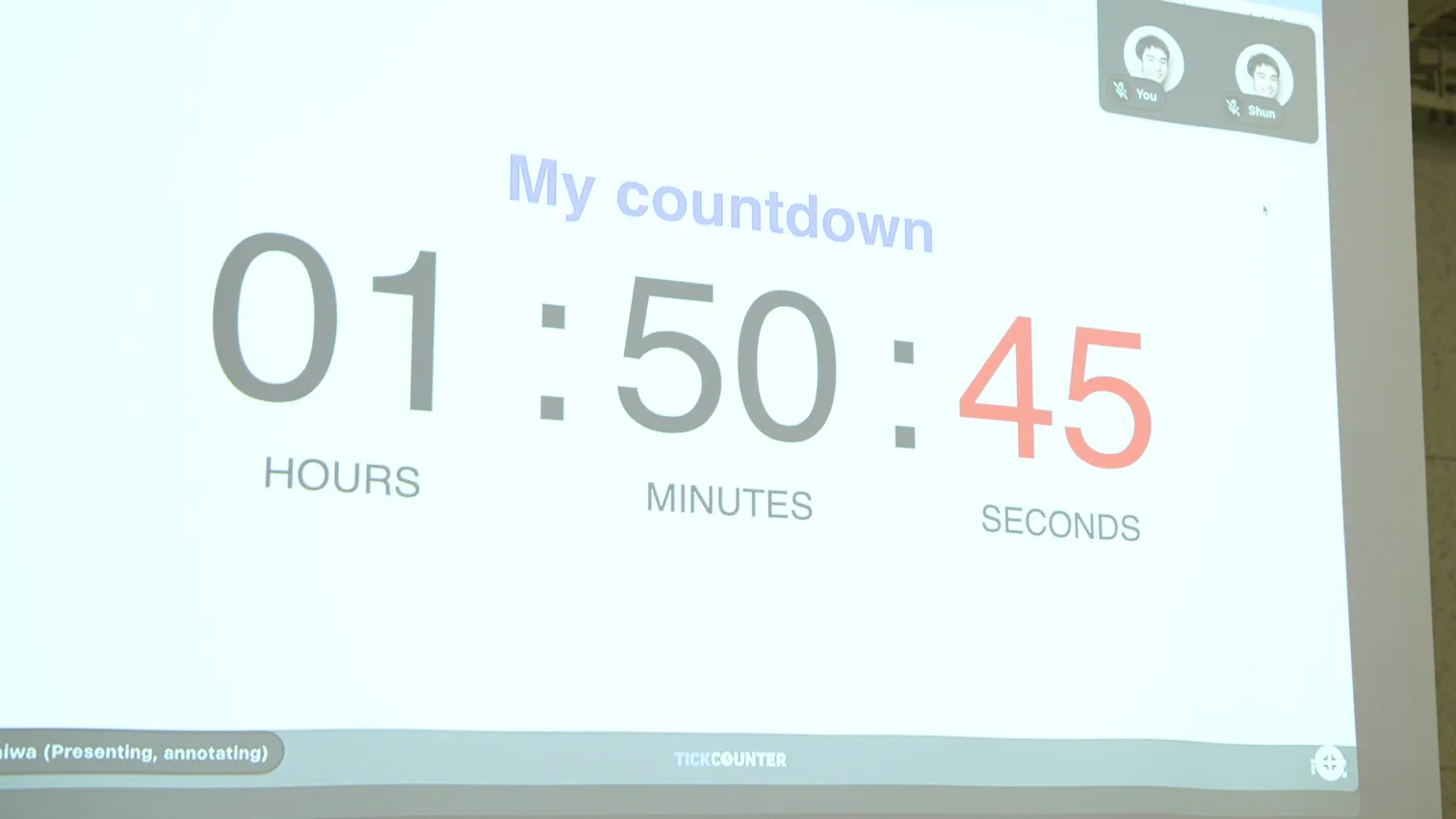
After that came about two hours of Hack Time, on the theme of using a Subako agent. Working from the demo application in the hackathon repository, everyone built an application of their own with agent features in it.
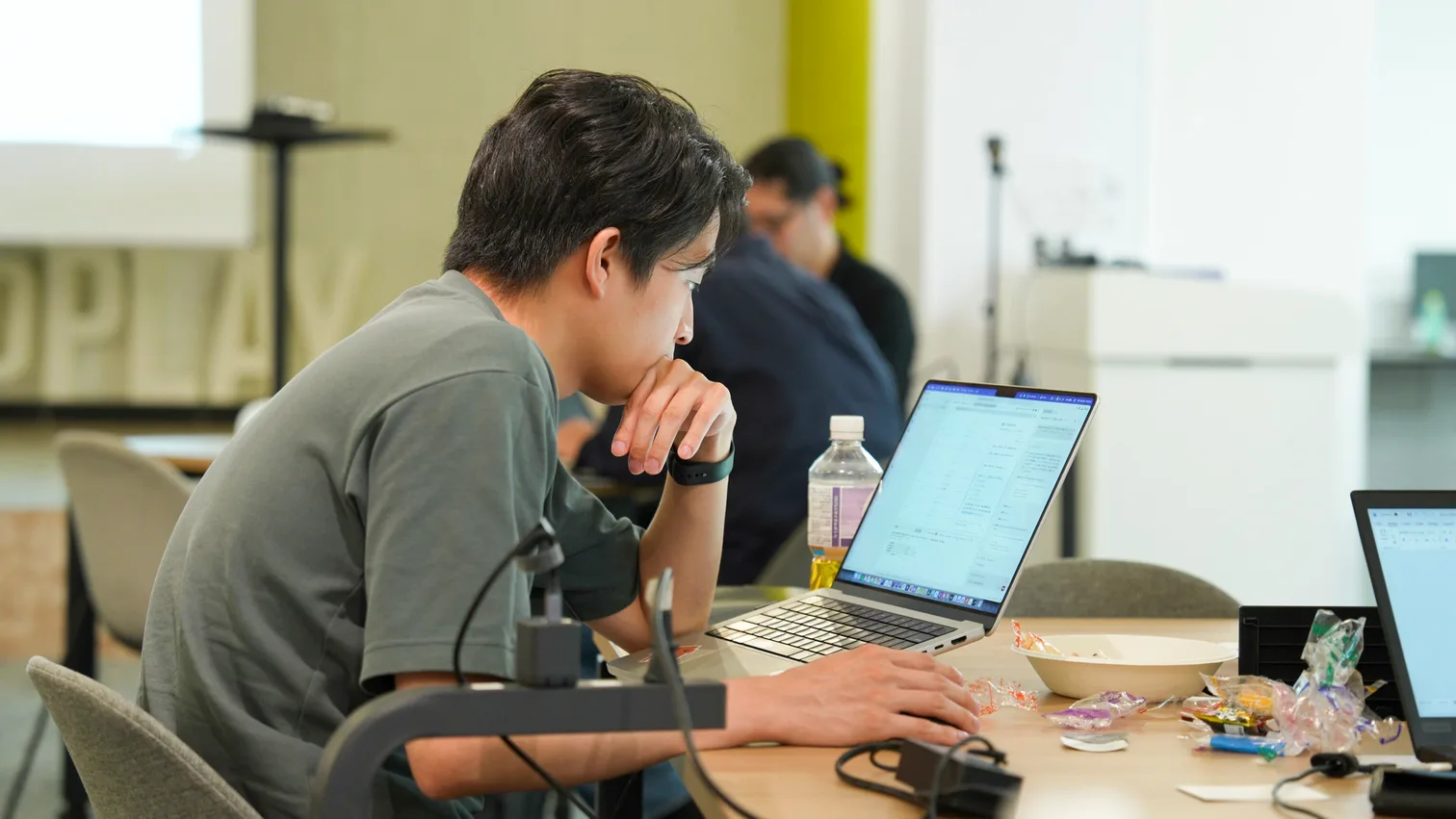
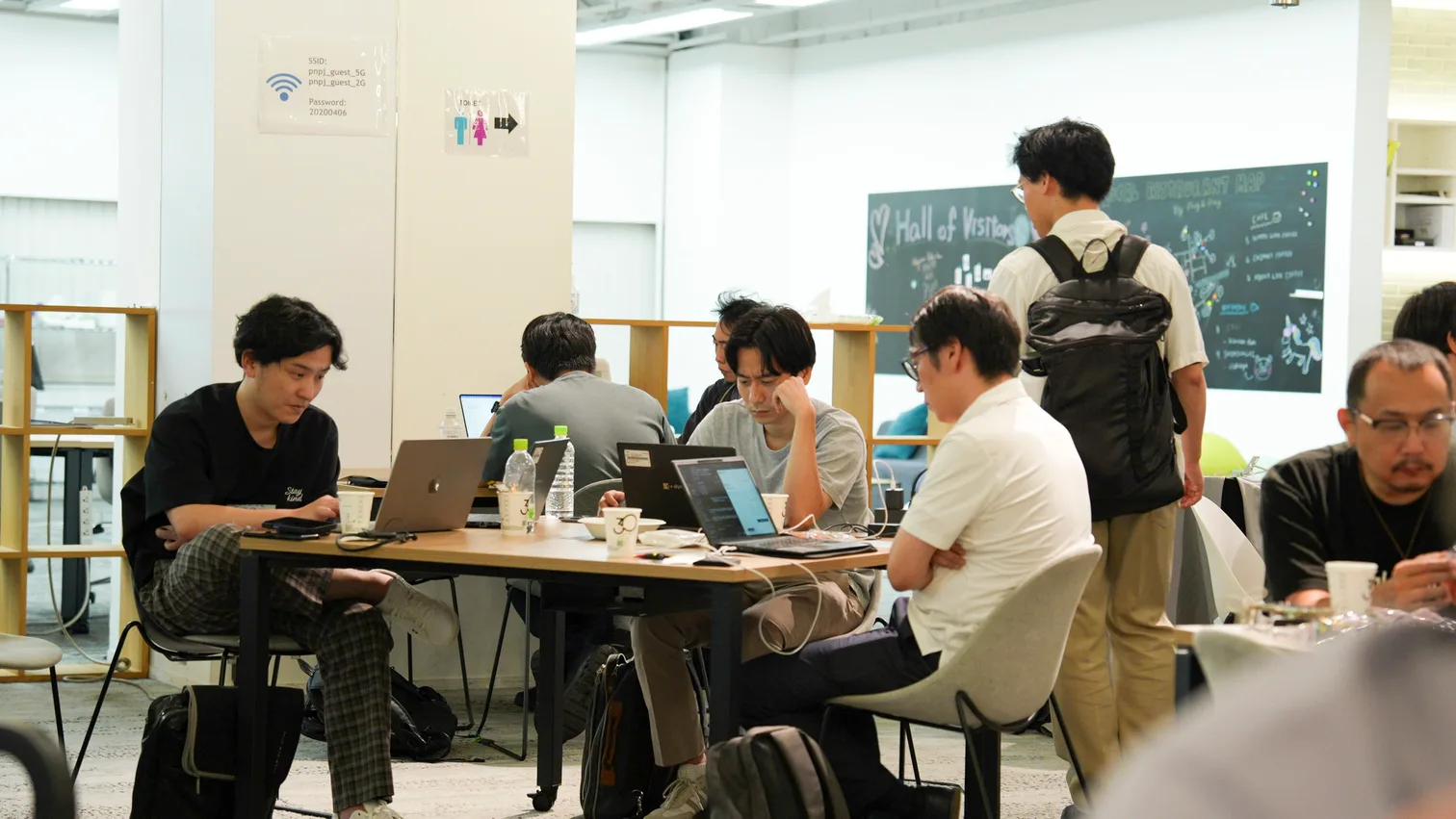
Our engineers were on hand throughout, helping with how to use Subako and how to design an agent.

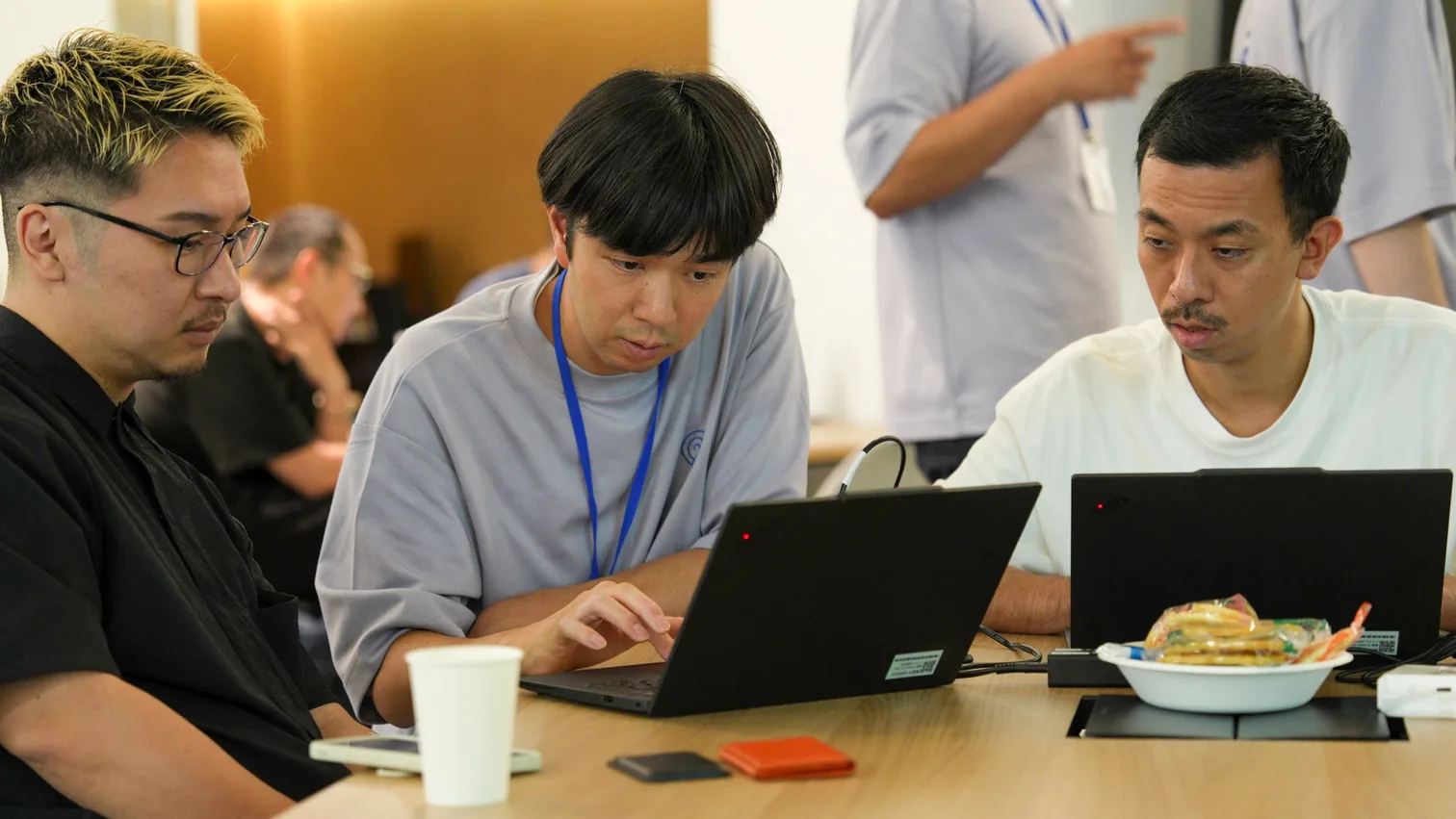

Two hours is very little time, but everyone got their idea into shape and finished an application running on a Subako agent. Summaries and demo videos came in through a form, and twelve projects were submitted in the end.
Every one of them was distinctive, taking a different idea and making it real with Subako's agent features. Our team acted as judges and picked out five to recognise.
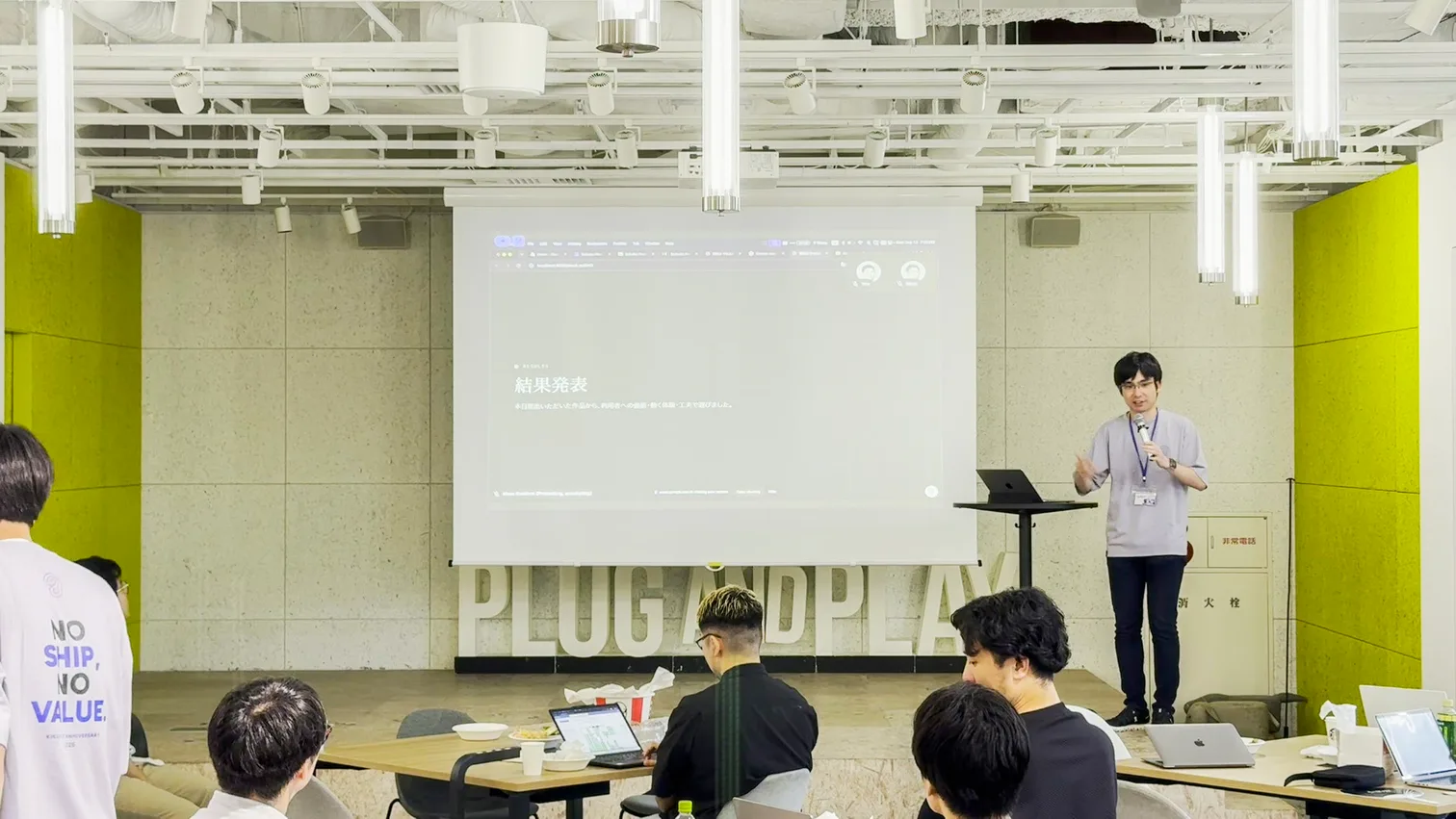
Here are the five.
| Award | Project | What it does |
|---|---|---|
| Grand Prize | スキマ時間で筋トレくん | Budgets your time including the trip to the gym, down to the reps and rest for each exercise |
| Best Idea | MailRescue | Diagnoses why mail to a client is landing in spam, then applies a fix and checks that it worked |
| Best Idea | 国内営業用アプリ | Builds a route between stores from visit priority, time on site, and what each store is like |
| Best Experience | 共創タスクボード | A board where an AI can hold a task: it assigns work and drafts a first version, and only a person can close it |
| Best Experience | travelnote | Tell it where and when, and it writes the itinerary from meeting up to heading home, in conversation |
We will introduce the winning projects in more detail in a separate post.
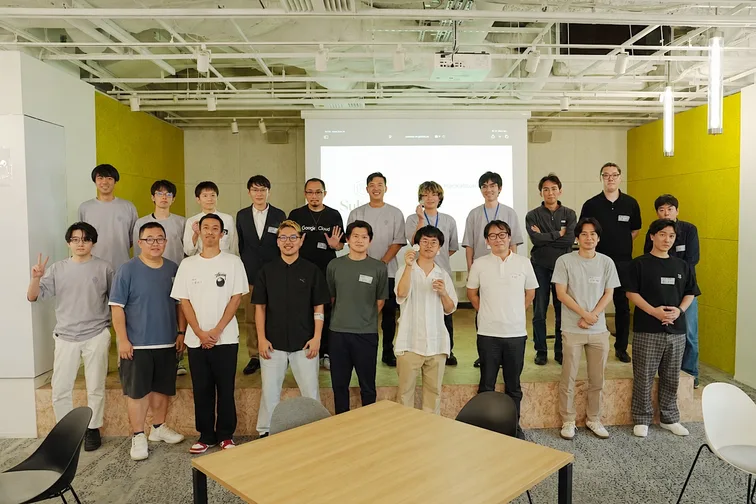
Every project used Subako's agent features to turn an idea into something that actually ran. The five winners alone covered a lot of ground: email deliverability, sales route planning, task management, travel itineraries, gym training. Each one started from a problem the person had run into in their own work or daily life, and they built their own answer to it with Subako.
When Subako takes care of the groundwork an agent needs to run, developers don't have to build that layer from scratch. They can spend their time on the tools that make an idea work, and on the experience they want to give their users.
That is the kind of development we want Subako to make possible: less time on the platform an agent runs on, more time on what you build on top of it. Watching everyone get their idea to something that actually ran, in a hackathon only two hours long, felt like a glimpse of what we are aiming for.
Thank you to everyone who took part, and to Plug and Play Japan for giving us the space.
We are still adding to Subako, and a second hackathon is in the works. If this sounds interesting, the quickstart is the place to begin.